Introduction
For overseas dealers and fleet buyers, choosing between sedans and SUVs is not only a product preference. It is a business decision. The right model mix affects resale speed, customer satisfaction, maintenance cost, shipping efficiency, and long-term brand confidence in your market.
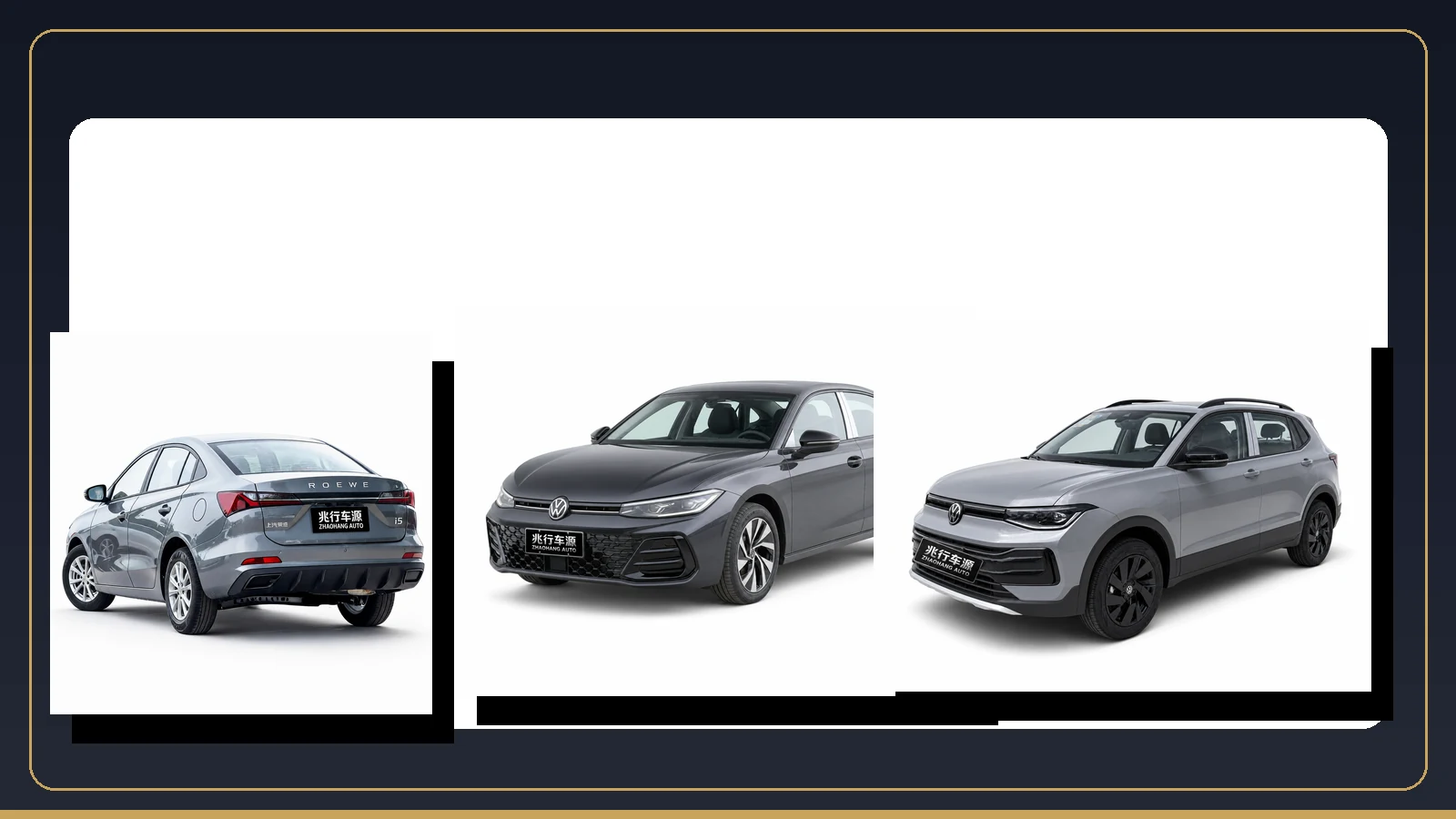
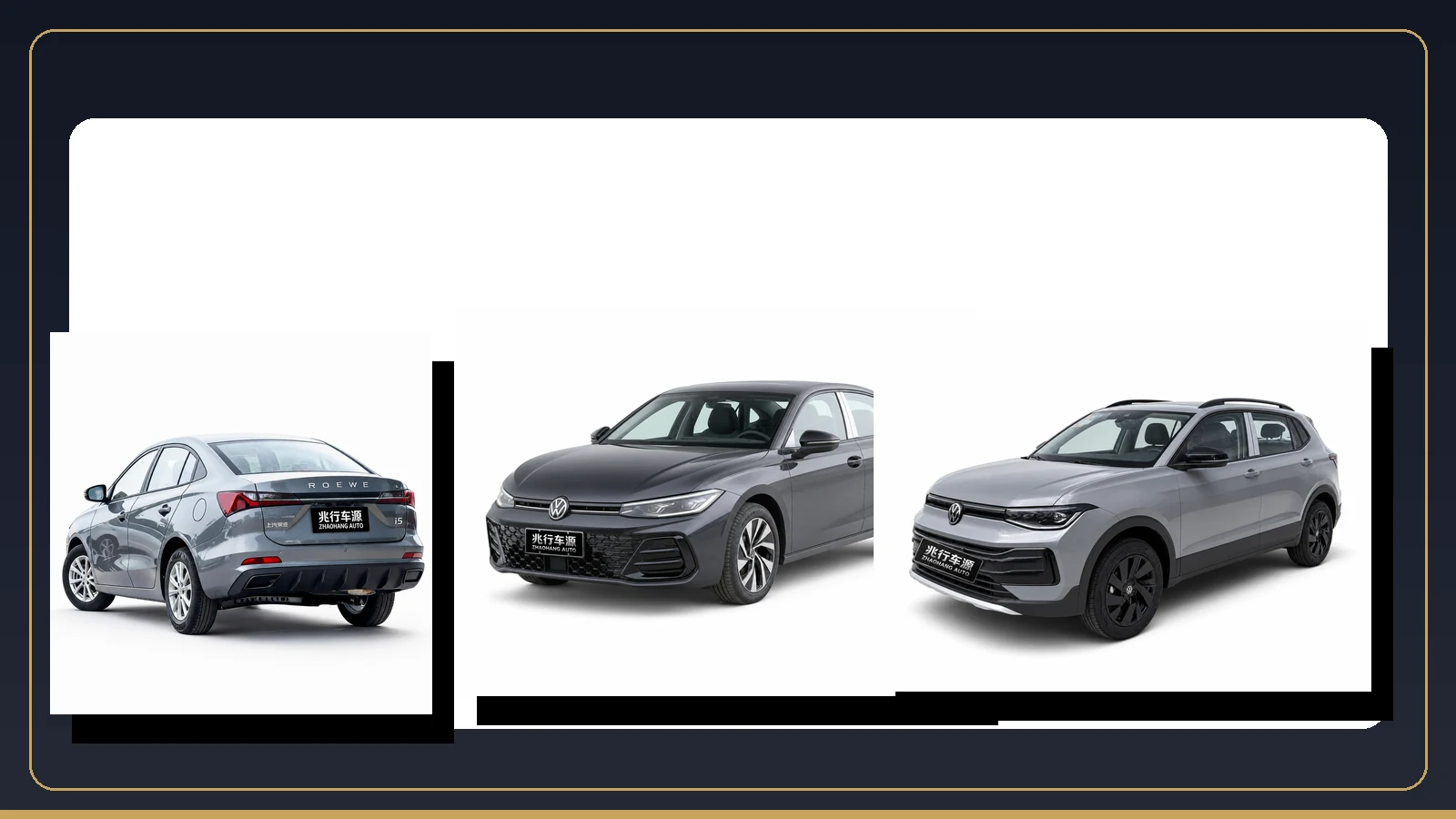
China offers a broad used vehicle supply, including practical compact sedans, mid-size business sedans, and compact SUVs. For ZHAOHANG AUTO customers, three vehicle directions often appear in procurement discussions: economical sedans such as Roewe i5, business-class sedans such as VW Passat Pro, and compact SUVs such as VW Tharu. Each vehicle type serves a different buyer scenario.
This guide helps overseas used car dealers, importers, rental car companies, and fleet operators decide when to source sedans, when to source SUVs, and how to structure a mixed order.
What Overseas Buyers Usually Care About
Most B2B buyers evaluate vehicles through practical filters:
- Purchase cost
- Fuel economy
- Road condition suitability
- Passenger comfort
- Maintenance simplicity
- Parts availability in the destination market
- Resale demand
- Brand recognition
- Shipping and logistics efficiency
- Interior and exterior condition
For example, a city-focused rental company may prefer sedans because they are fuel-efficient and easier to park. A dealer serving family buyers or mixed-road users may prefer SUVs because of higher seating position and stronger visual appeal. A fleet buyer may need consistency, predictable maintenance, and clear documentation more than luxury features.
When Sedans Are the Better Choice
Sedans are often suitable for markets where fuel cost, urban driving, and purchase affordability matter. They are commonly used by ride-hailing operators, rental companies, small business users, families, and government or project fleets.
Economy Sedans
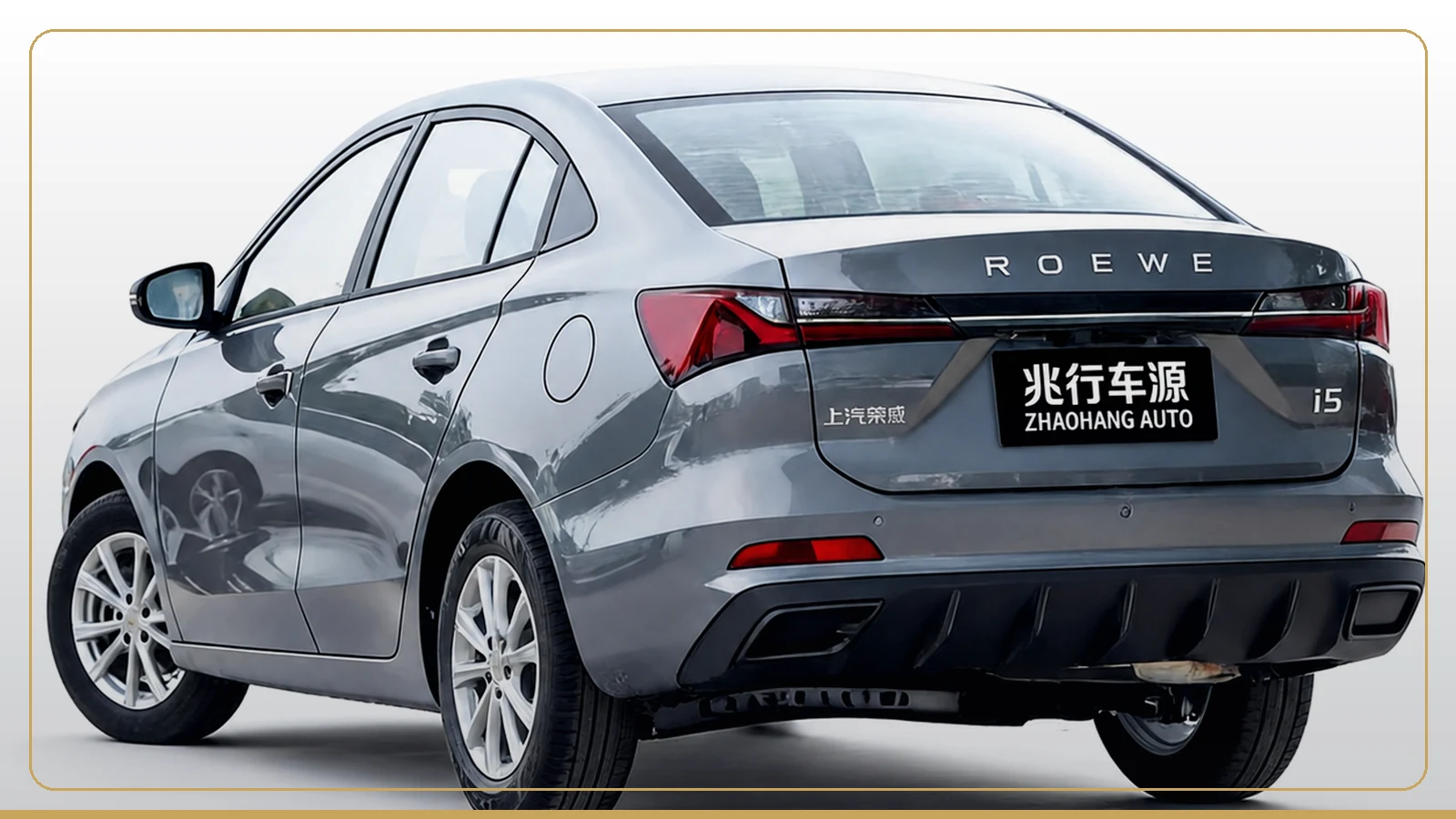
Economy sedans are suitable when buyers want a lower entry price and practical daily use. A model such as Roewe i5 can be positioned for markets that value simple operation, low operating cost, and comfortable city use. For dealers, this type of vehicle can attract first-time buyers or budget-conscious customers.
Mid-Size Sedans
Mid-size sedans, such as VW Passat Pro, can serve business users, executive transport, premium rental fleets, and customers who want a stronger brand image. They usually require more careful condition inspection because buyers expect better interior quality, comfort features, and a more refined driving experience.
Sedan Advantages
- Better fuel efficiency in many urban scenarios
- Lower purchase cost in many categories
- Easier parking and city driving
- Strong demand for taxi, rental, and business use
- Often efficient for mixed dealer inventory
Sedan Limitations
- Lower ground clearance than SUVs
- Less cargo flexibility
- May be less attractive in markets where SUVs dominate consumer preference
- Road suitability depends on local conditions
When SUVs Are the Better Choice
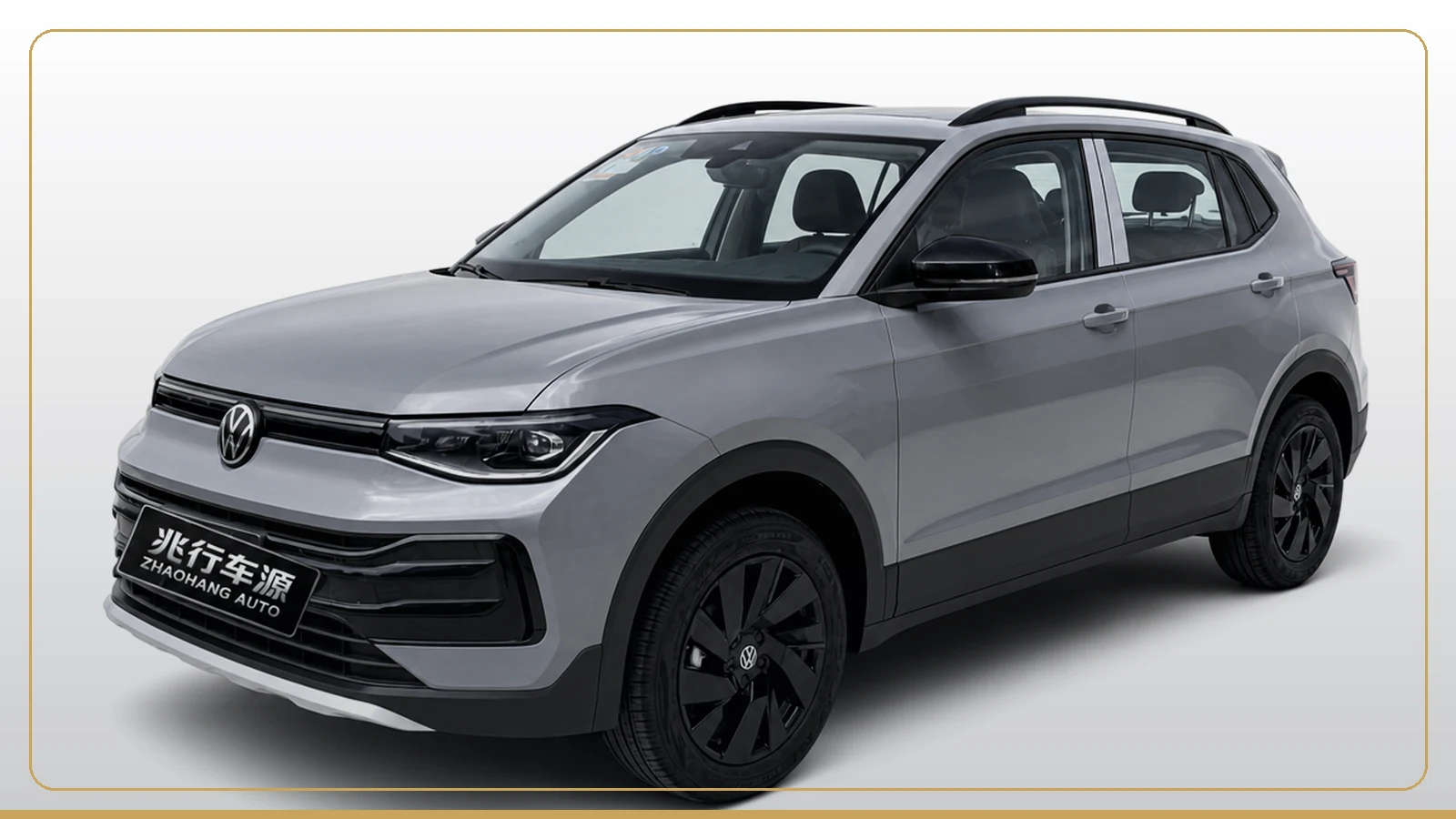
SUVs are often selected for markets with mixed road conditions, family buyers, or customers who prefer stronger road presence. Compact SUVs such as VW Tharu can fit dealers who want a practical vehicle with a higher seating position and more flexible usage.
SUV Advantages
- Higher driving position
- Better road presence for retail customers
- More flexible cargo and passenger space
- Strong family and mixed-use appeal
- Often easier to market visually on dealer lots
SUV Limitations
- Higher fuel consumption than many sedans
- Higher purchase cost in some categories
- Larger shipping footprint depending on shipment method
- Buyers may expect stronger tire and suspension condition
How Dealers Should Build a Model Mix
For a first order, a balanced mix can reduce risk. Instead of purchasing only one vehicle type, buyers can test market response with a smaller mix of sedans and SUVs. This is especially useful for dealers entering China used car sourcing for the first time.
A practical model mix may include:
- Economy sedans for fast-moving entry-level buyers
- Mid-size sedans for business and premium customers
- Compact SUVs for family and mixed-road users
The exact ratio depends on local market demand. For example, a dealer in a dense urban market may choose more sedans. A dealer serving suburban or regional customers may choose more SUVs.
Application Scenarios by Buyer Type
Different B2B buyers should evaluate sedans and SUVs from different angles. The correct choice is not always the model with the strongest appearance or the lowest quotation. It is the vehicle that fits the buyer's operating model.
Used Car Dealers
Dealers need vehicles that can attract walk-in customers, photograph well for online listings, and sell within a reasonable time. For dealers, exterior appearance, recognizable brand, interior cleanliness, and price positioning are especially important. A sedan may be easier to move in a budget segment, while an SUV may bring more attention on a dealer lot.
Vehicle Importers
Importers often think in container or shipment batches. They need documentation accuracy, predictable supply, and a model mix that matches local wholesalers or downstream dealers. Importers should not only ask what is cheap today. They should ask which models can be supplied repeatedly and whether the supplier can support consistent documentation.
Rental Car Companies
Rental companies usually care about total operating cost. Fuel economy, air conditioning, interior durability, easy cleaning, tire condition, and simple maintenance are important. Sedans can be strong for city rental and ride-hailing style operation. SUVs may be useful for tourism, family rental, or customers carrying more luggage.
Fleet Operators
Fleet buyers need consistency. A fleet order with too many different models can create maintenance and spare-parts complexity. If the buyer operates vehicles for staff transport, business use, or project mobility, a narrower model selection may be better than a visually impressive but complicated mix.
Project-Based Buyers
Project buyers may need vehicles for government, NGO, construction, service teams, or temporary operations. Their selection should consider road condition, passenger capacity, cargo needs, and documentation timeline. SUVs may be more suitable for mixed-road project mobility, while sedans may fit city-based administrative transport.
Vehicle Selection Checklist
Before confirming a model, buyers should review the following:
Market Fit
Does your market prefer sedans, SUVs, or a mixed stock? Are customers buying for personal use, taxi/rental, business transport, or family use?
Condition Level
For dealer resale, exterior appearance and interior cleanliness matter. For fleet use, mechanical reliability and consistent condition may be more important.
Specification Match
Engine size, transmission, trim level, fuel type, color, and feature configuration should match customer expectations in the destination country.
Documentation and Export Readiness
The vehicle should have clear export preparation and consistent documentation. Used car export depends on clean vehicle identity and accurate paperwork.
Shipping Plan
Vehicle size affects loading and cost. A mixed order should be planned with logistics efficiency in mind.
How to Compare Vehicle Value Beyond the Purchase Price
A professional buyer should calculate vehicle value through total landed cost and resale suitability. A vehicle that is cheaper in China may not be better if it has lower local demand, unclear parts support, or higher reconditioning cost after arrival.
Key value factors include:
- Purchase price in China
- Inland transport and port costs
- Sea freight and insurance
- Destination taxes and customs charges
- Local inspection or registration costs
- Expected reconditioning cost
- Expected resale price or fleet operating value
- Time needed to sell or deploy the vehicle
This approach is especially useful when comparing a sedan and an SUV. An SUV may cost more to buy and ship, but it may also have stronger retail appeal in some markets. A sedan may offer lower operating cost and faster turnover in a city market. The buyer should compare business outcome, not only unit cost.
Practical Model Positioning Examples
Roewe i5: Practical Entry-Level Sedan Direction
Roewe i5 can be positioned for buyers looking for a practical sedan direction. It may suit dealer stock for price-sensitive customers, city commuting, rental use, or entry-level family transport. When presenting this type of vehicle, buyers should focus on fuel economy, interior condition, ease of use, and pricing competitiveness.
VW Passat Pro: Business Sedan Direction
VW Passat Pro can be positioned for buyers who need a more premium sedan direction. It may fit business users, executive transport, or buyers who want a stronger brand image. For this category, inspection should pay close attention to interior condition, comfort features, paint quality, and electronic functions.
VW Tharu: Compact SUV Direction
VW Tharu can be positioned for family buyers, mixed-use customers, and markets where compact SUVs are popular. For this category, buyers should review tire condition, suspension feel where possible, cargo space, air conditioning, and exterior presentation.
These examples are not a promise that every vehicle will fit every market. They are practical positioning directions that help overseas buyers communicate with their local sales teams.
How ZHAOHANG AUTO Supports Product Selection
ZHAOHANG AUTO focuses on inspected used cars, direct vehicle sourcing, export documentation coordination, and shipping support. For buyers comparing sedans and SUVs, the process usually starts with requirement confirmation:
- Destination country
- Target buyer type
- Required quantity
- Preferred models
- Budget range
- Required inspection level
- Shipping term preference
After confirming these points, the team can provide available model information and discuss suitable export options.
FAQ
Are sedans better than SUVs for used car dealers?
Not always. Sedans can move faster in price-sensitive and urban markets, while SUVs may perform better where buyers value space, road presence, and family use.
Which model is better for rental companies?
Rental companies often prefer fuel-efficient sedans for city use and compact SUVs for family or tourism customers. The best mix depends on the rental scenario.
Can I order mixed models?
Yes. Mixed orders can be discussed based on stock availability, shipping plan, and documentation preparation.
How do I compare Roewe i5, VW Passat Pro, and VW Tharu?
Roewe i5 is more economy-focused, VW Passat Pro is more business-oriented, and VW Tharu is a compact SUV option for buyers who need higher seating position and flexible use.
Should I choose price or condition first?
Condition should not be ignored. A lower price can become expensive if the vehicle is difficult to sell or requires unexpected repair after arrival.
Conclusion
Choosing between sedans and SUVs should be based on market demand, customer profile, vehicle condition, and logistics planning. Sedans are often strong for urban, rental, and price-sensitive markets. SUVs are strong for family buyers, mixed-road use, and markets where higher seating position is preferred.
For many overseas dealers, the safest first step is not choosing only one model. It is building a small but practical mix, measuring local response, and then scaling future orders based on real sales performance.